Asian Ginseng
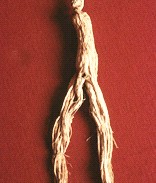 © Steven Foster © Steven Foster
Introduction
This fact sheet provides basic information about the herb. A plant or part of a plant used for its flavor, scent,
or potential therapeutic properties. Includes flowers, leaves, bark, fruit, seeds, stems, and roots. Asian
ginseng—common names, uses, potential side effects, and resources for more information. Asian
ginseng is native to China and Korea and has been used in various systems of medicine for many
centuries. Asian ginseng is one of several types of true
ginseng (another is American ginseng, Panax quinquefolius). An herb called Siberian ginseng
or eleuthero (Eleutherococcus senticosus) is not a true ginseng.
Common Names—Asian ginseng, ginseng, Chinese ginseng, Korean ginseng, Asiatic ginseng
Latin Name—Panax ginseng
What It Is Used For
Treatment claims for Asian ginseng are numerous and include the use of the herb to support overall health and boost
the immune system. Traditional and modern uses of ginseng include:
- Improving the health of people recovering from illness
- Increasing a sense of well-being and stamina, and improving both mental and physical performance
- Treating erectile dysfunction, hepatitis C, and symptoms related to menopause
- Lowering blood glucose and controlling blood pressure
How It Is Used
The root of Asian ginseng contains active chemical components called ginsenosides (or panaxosides) that are thought
to be responsible for the herb's medicinal properties. The root is dried and used to make tablets or capsules,
extracts, and teas, as well as creams or other preparations for external use.
What the Science Says
- Some studies have shown that Asian ginseng may lower blood glucose. Other studies indicate possible
beneficial effects on immune function.
- To date, research results on Asian ginseng are not conclusive enough to prove health claims associated with
the herb. Only a handful of large clinical trials on Asian ginseng have been conducted. Most studies have been
small or have had flaws in design and reporting. Some claims for health benefits have been based only on
studies conducted in animals.
- NCCAM supports studies to better understand the use of Asian ginseng. Areas of recent NCCAM-funded research
include Asian ginseng's interactions with other herbs and drugs and the herb's potential to treat chronic lung
infection, impaired glucose tolerance, and Alzheimer's disease.
Side Effects and Cautions
- When taken by mouth, ginseng is usually well tolerated. Some sources suggest that its use be limited to 3
months because of concerns about the development of side effects.
- The most common side effects are headaches and sleep and gastrointestinal problems.
- Asian ginseng can cause allergic reactions.
- There have been reports of breast tenderness, menstrual irregularities, and high blood pressure associated
with Asian ginseng products, but these products' components were not analyzed, so effects may have been due to
another herb or drug in the product.
- Asian ginseng may lower levels of blood sugar; this effect may be seen more in people with diabetes.
Therefore, people with diabetes should use extra caution with Asian ginseng, especially if they are using
medicines to lower blood sugar or taking other herbs, such as bitter melon and fenugreek, that are also thought
to lower blood sugar.
- Tell your health care providers about any complementary and alternative practices you use. Give them a full
picture of what you do to manage your health. This will help ensure coordinated and safe care.
Sources
- Ginseng, Asian (Panax ginseng). In: Coates P, Blackman M, Cragg
G, et al., eds. Encyclopedia of Dietary
Supplements. New York, NY: Marcel Dekker; 2005:265–277.
- Ginseng, Panax. Natural Medicines Comprehensive Database Web site. Accessed on July 2, 2007.
- Ginseng. Natural Standard Database Web site.
Accessed on June 28, 2007.
- Ginseng root. In: Blumenthal M, Goldberg A,
Brinckman J, eds. Herbal Medicine: Expanded Commission E
Monographs. Newton, MA: Lippincott Williams & Wilkins;
2000:170–177.
- National Center for Complementary and Alternative
Medicine. Hepatitis C and Complementary and Alternative
Medicine: 2003 Update. National Center for Complementary and Alternative Medicine Web site. Accessed on
July 9, 2007.
|